

Continuous Processing for Personalized Medicine: Enabling On-Demand Drug Manufacturing
Comments Off on Continuous Processing for Personalized Medicine: Enabling On-Demand Drug Manufacturing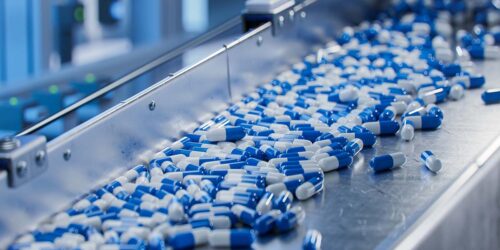
Personalized medicine could revolutionize health care. Therapies designed to treat patients based on their genetic conditions, disease subtypes, and biomarkers could boost success rates and improve overall value for patients. Unfortunately, traditional batch manufacturing methods lack opportunities to meet demands and support efficient personalized medicine production.
Thankfully, another solution is on the horizon — continuous manufacturing. Personalized medicine could make health care more precise, patient-centered, and proactive. With the help of continuous processing, health care teams can ensure the right person receives necessary treatments at the correct time. This strategy could transform the health care industry by solving traditional batch manufacturing challenges and enabling on-demand drug manufacturing.
Understanding Pharmaceutical Continuous Manufacturing
While batch processing has a definitive start and end, continuous processing runs nonstop. Raw materials enter mixers at one end of the process, and final products emerge at the other. Manufacturers needing high-volume production or requiring immense quality control and consistency use this method to increase efficiency and improve product safety.
Batch manufacturing produces identical goods simultaneously in batches. As products move throughout the production process, each batch must complete one stage before the next batch can begin. Raw materials only move from stage to stage after all materials in the batch have completed the current stage.
For example, consider a pharmaceutical company needing 100,000 tablets of a pain relief medication. One stage of batch processing could consist of weighing and mixing ingredients, while another stage could involve compressing granules into a tablet press. The final stage would consist of packaging. The company would need to complete several batches to reach the 100,000 tablet goal.
In continuous manufacturing, production occurs without interruption. Using the same example, a pharmaceutical company could rely on continuous processing to feed raw materials at a controlled rate into a mixer. Materials would move through processes like granulation, drying, compression, and packaging seamlessly, producing finished products without stops between stages.
Many businesses opt for continuous processing to increase efficiency and productivity. Continuous manufacturing can enhance process control and improve product quality while reducing operational costs and creating a smaller footprint. To deliver these benefits, continuous processing relies on several key principles:
- Continuous flow of materials: Rather than processing a fixed amount of raw materials, products move through each stage in an uninterrupted stream. This steady flow reduces downtime between steps and enables faster production.
- Real-time monitoring and control: Sensors and analytical tools monitor the production process in real time. Instruments measure critical attributes such as content uniformity, weight, and moisture levels to identify deviations or quality issues immediately.
- Automated processes: Continuous manufacturing minimizes human responsibility in the production process. Advanced automation and software systems control the entire manufacturing process, ensuring consistency, reducing human error, and ensuring rapid response to process changes.
The Role of Continuous Manufacturing in Personalized Medicine
Continuous manufacturing makes it possible to quickly, safely, and efficiently produce personalized medicines. This production method allows you to quickly adjust systems to produce various drug formulations, dosages, and combinations. This means manufacturers can reprogram systems on the fly. Sometime minor changes can be realized without needing to halt the entire process or simplify cleaning procedures between batches. Additionally, this method allows manufacturers to produce medicines as needed rather than in large, fixed batches.
For example, teams could tailor chemotherapy capsules and tablets, customizing drug type and dosage to a patient’s genetic profile. Antidepressants could be adjusted to optimize efficacy and minimize side effects based on a patient’s needs. For patients needing nonstandard strengths or special formulations, such as children or elderly patients, continuous manufacturing can simplify the production process to ensure precise doses. This method could even aid in treating rare diseases by allowing teams to produce small quantities of small-molecule drugs and enzyme therapies while reducing waste.
This process could also create new opportunities for point-of-care manufacturing and decentralized drug production. With the right equipment and systems, teams could complete personalized medicine manufacturing directly at the location where patients receive care, including clinics, hospitals, or pharmacies. In emergencies, point-of-care manufacturing could enable faster responses to outbreaks or critical needs.
Key Technologies Driving Continuous Processing for Personalized Medicine
Continuous processing enables teams to create recipes that are not possible using batch processing methods. This method relies on advanced technologies to simplify scaling, improve process control, and improve utilization. The tech behind the transformation includes:
- Microreactors: Microreactors are highly controlled reaction vessels that enable precise control over chemical reactions. These instruments make it safe to synthesize potent or complex drugs while ensuring product quality and improving reproducibility.
- 3D printing: These machines allow teams to create customized drug formulations and delivery devices. 3D printers can leverage materials like liquids, gels, and powders to create tablets and pills with customized dosages and profiles.
- Process Analytical Technology (PAT): This suite of real-time monitoring tools consists of sensors, software, and analyzers that track quality attributes. PAT can ensure every dose meets stringent quality standards, even as formulations change.
- Automation and advanced control systems: Integrated hardware and software optimize the manufacturing processes while minimizing the need for human intervention. These technologies ensure consistent product quality and efficient operation by adjusting ingredient feeds, enabling remote monitoring, and coordinating technologies for seamless production.
Benefits of Continuous Manufacturing for Medicine
Continuous manufacturing offers a range of benefits, especially compared to traditional batch processing. Benefits of this method include:

- Improved drug quality and consistency: Real-time monitoring and control systems ensure every medication meets strict quality standards while meeting patient needs. This method reduces variability between batches, minimizing the risk of recalls or defects.
- Reduced manufacturing costs: Continuous processes use energy and materials more efficiently than traditional methods, empowering teams to reduce waste, minimize downtime, and lower utility usage. This method requires less human labor, less inventory, and lower raw material quantities, which can translate to significant cost savings and optimization.
- Faster time to market for new therapies: With real-time quality assurance and rapid scale-up, manufacturing teams can shorten the time to market for new therapies. On-demand manufacturing can also allow teams to respond faster to emerging health threats and, potentially, shorten clinical timelines.
- Enhanced process control and traceability: Advanced technologies and monitoring systems enhance process control and traceability. Manufacturers can immediately detect and correct process deviations, ensure consistent product quality, and maintain detailed records for every produced unit. If an issue arises, this information and technology will make it easier to identify the root cause.
- More sustainable manufacturing: Continuous processing allows manufacturers to create a smaller footprint by reducing waste and enhancing energy efficiency. On-demand production eliminates overproduction challenges and product waste. Additionally, immediate process deviation detection allows manufacturers to further minimize wasted materials.
Challenges of Implementing Continuous Pharmaceutical Manufacturing
Like many new processes and technologies, continuous manufacturing offers exciting opportunities but also presents unique challenges, including:
- Regulatory hurdles and the need for clear guidelines: Many current regulatory frameworks center around traditional batch processing, which means the new concepts of continuous manufacturing may not fit into existing regulations. Uncertainty about regulatory expectations could slow process adoption.
- Technology adoption and integration: This method requires new equipment and technologies. Integrating these technologies with existing IT systems and infrastructure could pose complex and costly challenges. Teams may experience disruptions during transition or lack the resources for the high upfront investment.
- Process development and optimization: Developing robust processes for complex pharmaceuticals is technically demanding. Each drug may require unique parameters, validation approaches, or control strategies. This challenge could result in longer development timelines or demand extensive process modeling.
- Workforce training and education: Although advanced technologies and systems power continuous processing, a skilled workforce is still necessary. Many pharmaceutical professionals may lack the technical skills to understand the data analytics and process controls that drive this production method. Large skills gaps could slow process implementation or increase the risk of errors.
Implementing continuous processing requires overcoming regulatory uncertainty, investing in technology, developing robust processes, and upskilling the workforce. The next few years could see regulation innovation, technology partnerships, workforce development initiatives, and data-driven collaboration to overcome these challenges and unlock the full potential of continuous manufacturing in modern medicine.

The Benefits of Continuous Mixers for Sanitary and Aseptic Processing in the Food Industry
Comments Off on The Benefits of Continuous Mixers for Sanitary and Aseptic Processing in the Food Industry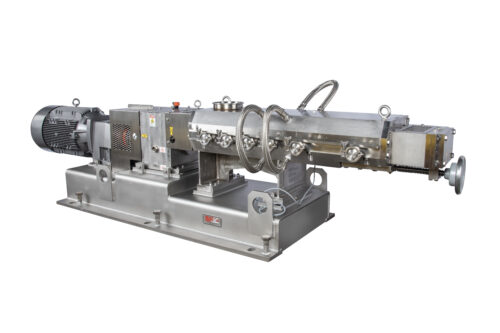
Maintaining the highest standard of safety and hygiene is essential in modern food production, and traditional mixing systems no longer meet these requirements. Traditional systems present significant risks of contamination and exposure to environmental elements, which impact food quality, shelf life, and safety. To overcome these challenges, food production teams are embracing continuous mixers.
Continuous mixers with their inherently closed design are essential in any food application where hygiene, safety, increased volume, and product consistency are high priorities. These mixers are suitable for applications across the industry, from protein shakes to peanut butter. Here, you can learn more about this equipment and its role in revolutionizing the industry.
The Critical Role of Hygiene in Food Production
Food manufacturers have an ethical and legal responsibility to maintain high-quality hygiene standards and control measures. Hygienic food processing is critical for preventing foodborne illnesses and ensuring the safety of every consumer. Without proper hygienic measures, food can face contamination, which can result in:
- Illness: Foodborne illnesses can result from parasites, viruses, or bacteria. Some contamination can cause symptoms like fever or vomiting, but severe cases can result in hospitalization or death.
- Allergic reactions: Cross-contamination with allergens like nuts, dairy, or gluten can trigger allergic reactions in sensitive consumers. Allergic reactions can trigger physical discomfort or life-threatening reactions.
- Physical injuries: Foreign objects like metal, plastic, glass, or hair can end up in food. These objects can lead to choking or other forms of physical injury.
- Economic losses: Companies must recall contaminated food products or otherwise work to remedy the situation. In many cases, these actions lead to financial losses for producers and retailers and lowered consumer trust, which can impact future sales.
- Legal consequences: Food contamination can result in fines, lawsuits, and criminal charges, depending on the severity and circumstances. These legal consequences can impact any individual or company responsible for the contamination.
With severe consequences on the line, stringent process controls are needed. One method for maintaining aseptic and sanitary processing conditions is the use of continuous mixers. Continuous mixers create a sealed and controlled environment for food products, minimizing contamination risks and ensuring high safety and hygiene standards.
Understanding Sanitary and Aseptic Processing
Sanitary and aseptic processing are two methods for keeping food and food-related products clean and safe. Both of these processes are crucial for ensuring product quality, preservation, and shelf life.
| Sanitary processing | Sanitary processing focuses on minimizing contamination and maintaining hygiene. Sanitary practices and procedures aim to prevent contamination throughout the handling, preparation, and packaging processes. Often, organizations will implement regular cleaning protocols, use hygienic facility designs, and train staff on proper hygiene to maintain sanitary processing requirements. |
|---|---|
| Aseptic processing | Aseptic processing expands beyond sanitary processing. This method ensures that food and packaging are free of contaminants by sterilizing the products separately and combining them in a sterile environment. This more advanced method maintains sterility throughout the entire process. Teams may use filtration or heat to sterilize food, and they may sterilize packaging with heat, chemicals, radiation, or a combination of methods. |
The Challenges of Traditional Mixing Systems in Sanitary Environments
Unfortunately, traditional mixing systems make it difficult to maintain the high cleanliness and control standards of modern food manufacturing. These systems come with hidden risks that can compromise food safety and quality.
Potential hygiene challenges associated with traditional mixing systems include:
- Difficult-to-clean areas and crevices: Traditional mixing systems often have complex shapes, joints, and dead spots that can be hard to access during cleaning processes. Food residues, like liquids and powders, can become trapped in these crevices and provide the nutrients for molds and bacteria to grow. Incomplete cleaning can allow these microorganisms to multiply between production runs.
- Potential for microbial growth: Moist environments are prime locations for microorganisms to thrive. With inadequate cleaning measures, equipment can become a breeding ground for pathogens. This microbial growth can lead to food spoilage, impact flavors, or result in foodborne illnesses. Additionally, some microbes can form protective layers, making them even harder to remove in the future.
- Risk of cross-contamination: Traditional systems tend to require manual ingredient additions and product removals. Food environments that use the same equipment for different products can face challenges regarding contamination. Even trace amounts of allergens can trigger severe consumer reactions, posing serious health and legal risks.
- Exposure to the environment: Open or partially open mixing systems can allow air, dust, insects, and other contaminants to enter the mixing process. Operators near an open system could also introduce hair or skin cells that impact food quality. These airborne particles and foreign objects can lead to spoilage or consumer illness.
Continuous Mixers: Safe Food Processing Equipment
A modern solution has arisen to revolutionize food processing. Continuous mixers are purpose-built for food safety. This equipment leverages the following features to minimize contamination risks and enhance hygiene:

- Closed and sealed designs: The entire mixing process occurs within a closed and sealed vessel. This design prevents contaminants from entering the mixing process, greatly reducing the risk of all types of contamination.
- Smooth, crevice-free surfaces: These modern mixers feature smooth, often rounded surfaces that require minimal joints or welds. This crevice-free engineering eliminates challenges associated with cleaning hard-to-reach areas and reduces the risk of microbial growth in crevices.
- Use of food-grade materials: Food-grade materials are nonreactive, corrosion-resistant, and easy to sanitize. Every part of the continuous mixer that comes in contact with food utilizes materials approved for food use, such as stainless steel. The stainless steel can be polished to eliminate rough surfaces promoting bacterial growth. Leveraging these materials eliminates risks associated with rusting, chemical leaching, and physical contamination that impact food quality.
- Clean-in-Place and Sterilize-in-Place capabilities: Continuous mixers leverage automatic cleaning and sterilizing systems that ensure thorough cleaning and sterilization between batches. These systems maintain hygienic practices while minimizing downtime and reducing human labor.
Clean-in-Place (CIP) and Sterilize-in-Place (SIP) Systems
CIP and SIP systems play a critical role in continuous mixers. These systems automate and simplify cleaning and sterilization processes to reduce downtime, ensure reliable cleaning, minimize manual labor, and improve cleaning validation.
| CIP Systems | CIP systems often operate with automated pumps. These pumps circulate cleaning solutions, such as detergents, sanitizers, and water, throughout the mixer. CIP systems often leverage spray balls, rotating nozzles, or jets to ensure every part of the mixer is clean. |
|---|---|
| SIP Systems | SIP systems initiate after the cleaning processes. The system circulates chemical sterilants or steam through the mixer, which destroys any remaining microorganisms. The system automatically manages elements like pressure, temperature, and time to ensure precise and effective sterilization. |
Key Benefits of Closed Mixing Systems in the Food Industry
More and more food manufacturers are choosing continuous mixers to overcome the challenges of traditional mixing systems. These systems deliver immense benefits like:
- Improved food safety.
- Reduced contamination risks.
- Enhanced hygiene and sanitation.
- More effective and efficient cleaning.
- Lowered operating costs due to reduced cleaning time and water usage.
- Increased productivity and throughput.
- Boosted consistency in product quality and conformity.
- Operator safety
- Reduced floor space
- Lot tracing capabilities
- USDA / 3A / FDA compliant
Applications of Continuous Mixers in Various Food Sectors
From dairy to sauces, continuous mixers aid in versatile applications across the food industry. Some common examples include:
- Dairy processing: Dairy processing teams can use continuous mixers to mix milk, cream, cheese curds, yogurt, and flavored dairy drinks.
- Beverage production: Teams producing juices, energy drinks, alcohol, plant-based beverages, and soft drinks can use mixers to dissolve sugars and blend vitamins into beverages.
- Sauce and dressing manufacturing: Continuous mixers can emulsify oil and water phases, disperse spices, and ensure uniform consistency when producing mayonnaise, ketchup, barbecue sauces, and salad dressings.
- Ready-to-eat meals: Stews, gravies, soups, and meal components can benefit from even seasoning and particulate distribution from continuous mixers.
- Infant formula production: Mixing vitamins, minerals, and milk powders in a continuous environment can help infant formula producers meet strict safety standards.
- Pharmaceutical food and nutritional supplements: Pharmaceutical and nutritional teams can use these mixers to ensure homogeneity and prevent cross-contamination in sensitive products like protein shakes and medical products.
- High-viscosity mixing applications: Continuous mixers can leverage high-viscosity mixing techniques necessary to handle sticky or thick products like doughs, peanut butter, chocolate spreads, and pastes.
Ensure Product Quality and Safety With Readco Kurimoto
At Readco Kurimoto, we help industry leaders replace traditional manufacturing methods with innovative solutions. Our experience with food and confectionery mixing technology has empowered us to craft solutions that streamline mixing, evaporating, reacting, and crystallizing processes. Our Continuous Processor is the solution you need to meet the most stringent requirements. Tell us more about your needs to discover how we can benefit your business.